
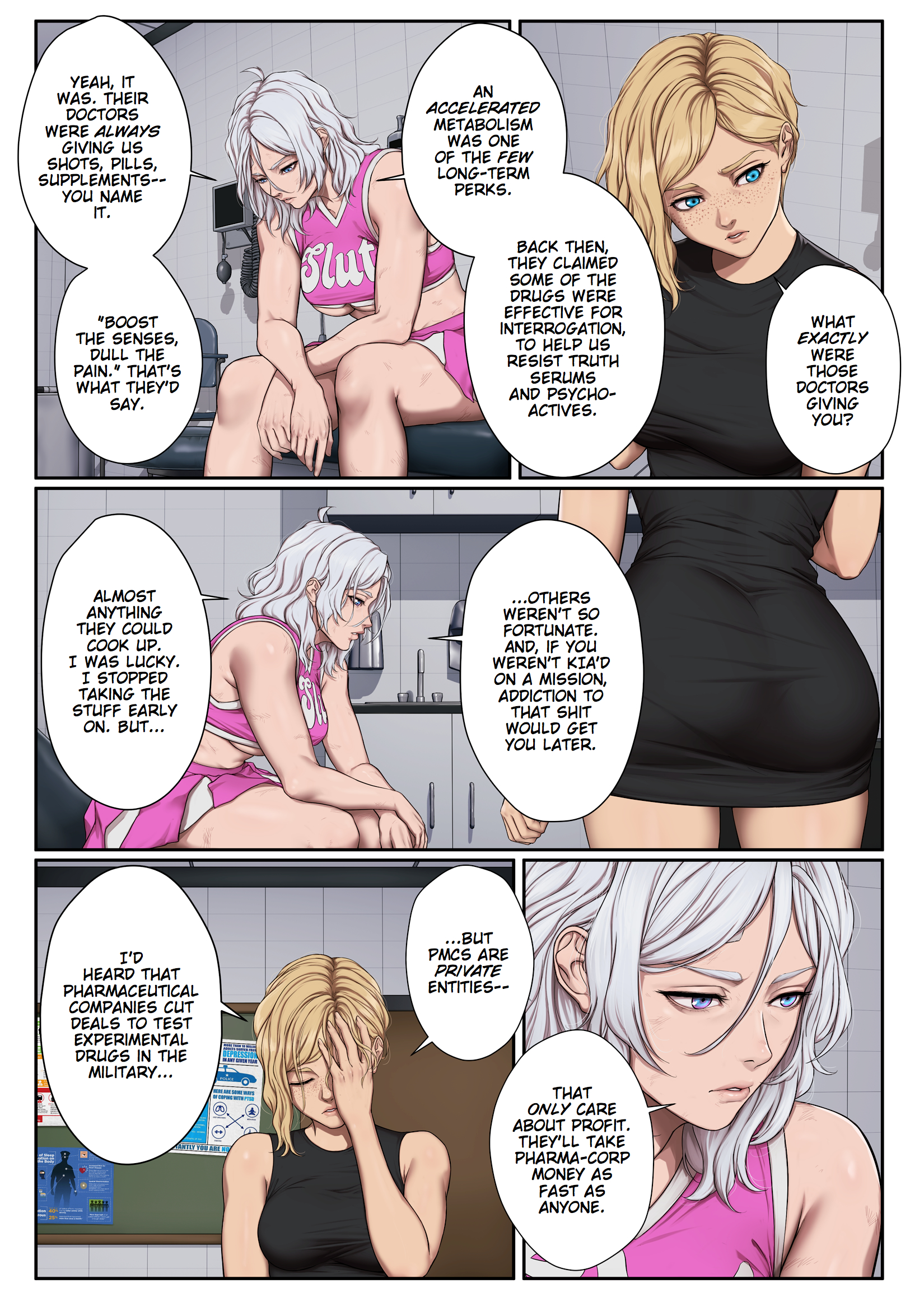





The following is an article excerpt from The Vigil, a NetZine that covers politics, independent news, and international events. [Article originally published five years ago.]
SOLDIERS OR TEST SUBJECTS?
By Grant Lydoss
Leaked documents have exposed a series of defense contracts between pharmaceutical companies and various branches of the military, including agreements that involve the testing of experimental high-risk drugs on active-duty personnel.
According to the documents, more than seventy synthetic compounds have been tested on soldiers, who were allegedly given the option of volunteering for new drug trials. Participation was encouraged through financial bonuses, preferential treatment, promises of improved assignments, or other military benefits.
However, in numerous instances, trials were conducted under misleading pretenses or entirely without participants’ informed consent. Military personnel were told they would be receiving vitamin supplements or routine performance-enhancing boosters, only to be administered unapproved substances, some of which were known to have hazardous side effects.
Other accounts describe soldiers being informed that they were only participating in tests involving new military equipment or weapons, when, in reality, they were being exposed to experimental chemicals through transdermal absorption. In these cases, substances were reportedly administered via contact with equipment, allowing chemicals to enter the body simply through skin exposure. Several documents suggest that over three-hundred soldiers were never given the opportunity to refuse participation.
Throughout these trials, some of the drugs were designed to suppress the effects of sleep deprivation, allowing soldiers to remain awake for extended periods without experiencing the typical decline in concentration and cognitive performance. Other drugs were intended to accelerate physiological response to injury—in essence, supercharging the body’s built-in repair system. While another class of compounds reportedly sought to suppress panic responses during periods of extreme psychological and physical stress.
These developments were initially presented as medical advancements intended to, according to one document, “protect military personnel by reducing the physical and psychological toll of warfare.” Instead, further details within the leaked documents indicate that many of these substances were developed with the primary goal of keeping soldiers operational for much longer periods, and under extreme conditions. Multiple references outline the importance of “increasing the amount of punishment” a human body could endure before becoming combat ineffective.
Two pharmaceutical companies identified in the documents were Valtek Biologica and ExistSense. Government contracts provided these companies with substantial resources, access to human testing environments, and opportunities to develop proprietary technologies that could offer a competitive advantage in commercial pharmaceutical markets. In return, the government gains a critical edge in the advancement of next-generation warfare, while skirting ethical and legal concerns by insulating itself from direct accountability. In effect, responsibility for any controversial research practices could be placed upon participating pharmaceutical companies.
Such arrangements trigger serious questions about the broader relationship between military research and the pharmaceutical industry. Humanitarian groups have already called for the regulatory oversight of experimental compounds developed under military contracts, along with investigations into how they are evaluated through government-supported testing programs.
According to leaked material involving a project titled Fortis, select soldiers were informed of the program’s military significance and actively encouraged to participate. They were assured that the drugs, administered through injection, had passed preliminary safety assessments and that medical personnel would monitor participants throughout the trials, documenting any adverse reactions.
Not communicated was the limited understanding of the substances’ long-term effects. Even early on, several reports had identified significant neurological complications, severe disruptions to normal sleep patterns, and psychological disturbances emerging within weeks of exposure to certain compounds. Yet, testing continued without reevaluation. This highlights a disturbing inadequacy regarding the safety and long-term medical obligations owed to participating personnel.
Soldiers routinely accept extraordinary risks as an inherent part of their service, but there is a fundamental difference between willingly accepting the dangers of military duty and unknowingly being subjected to unsafe drug testing. Even in instances where consent is given, concealing the possible side effects of these substances presents serious ethical and human rights concerns.
The partnership between government agencies and pharmaceutical corporations invites deeper investigation into accountability, transparency, and the protection of service members. To what extent have these interests and financial incentives influenced decisions involving soldiers’ health and safety? What oversight mechanisms are sufficient to protect those subjected to experimental drug testing? Ultimately, what is the human cost when the pursuit of military objectives takes precedence over the well-being and informed consent of those serving?
Danger Zone One. Story by Midnight. Art by Salaiix.
















Recent Comments